



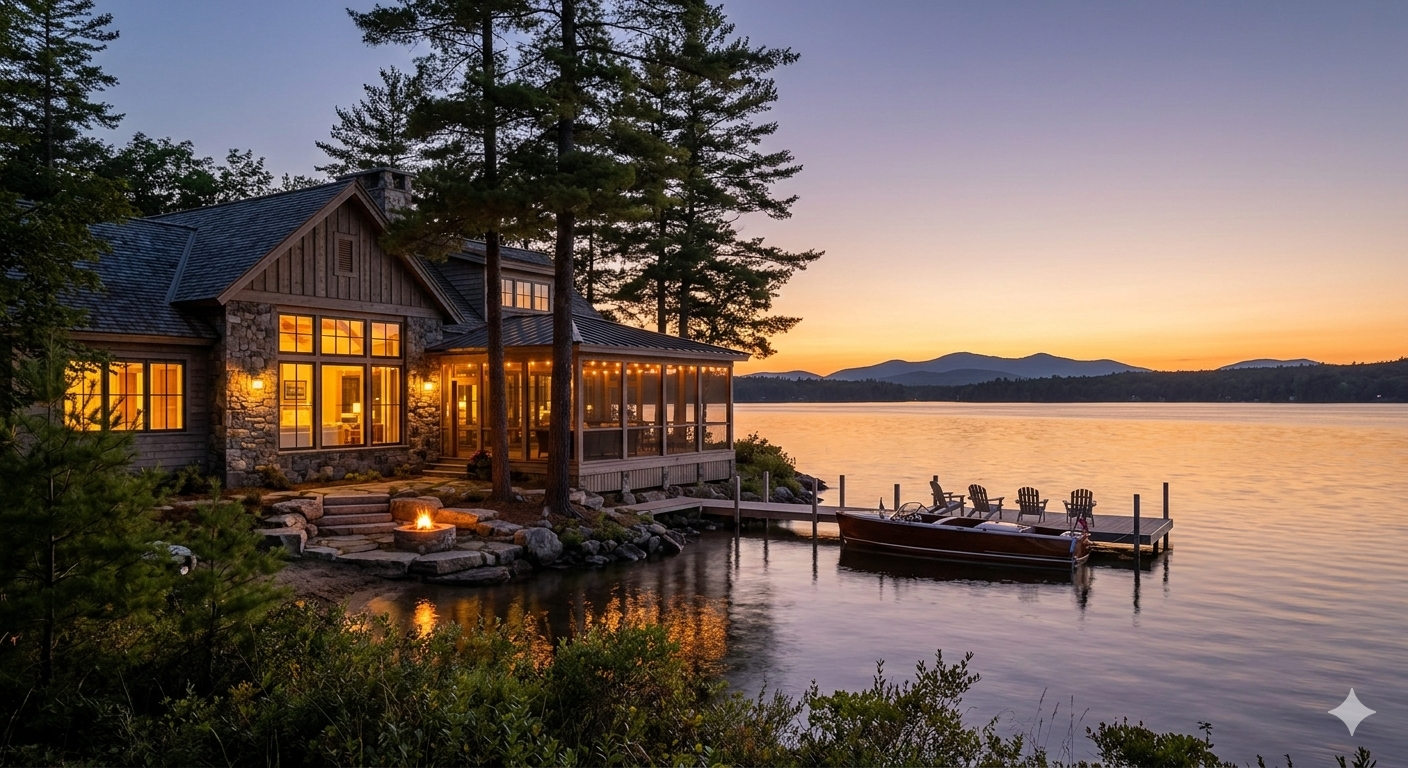
When buyers discover waterfront ownership is more complex than they imagined
The technical aspects of waterfront ownership surprise people most. Brie's husband owns a local landscape company, which has given the Lake Life Realty team unique insight into shoreline permitting and what property owners can actually modify. The rules are more nuanced than most buyers expect.
Dock maintenance represents another learning curve entirely. "A lot of people don't understand what goes into dock maintenance," Brie notes. Seasonal docks must be cranked up or removed completely before winter. Permanent docks require bubblers, devices that keep water moving around dock structures so ice doesn't form and cause damage. Many buyers have never heard the term bubbler before their first lakefront purchase.
Then there are the lake-specific regulations that vary by waterbody. Some lakes allow motorboats. Others restrict them. Each lake has its own character and rules, and understanding these distinctions before buying prevents disappointment later.
"A lot of people have no idea what they're getting into," Brie explains. "They don't know what they can and can't do at the waterfront. Can we take down a tree? Can we not take down a tree? Some people think you can't touch anything."
Brie Stephens leads Lake Life Realty at Compass, the top-performing lakefront real estate team in New Hampshire's Lakes Region. Her experience helping first-time buyers navigate the transition from dreaming about lake life to actually living it has taught her that education matters as much as the transaction itself.

Shoreline regulations and dock systems confuse even sophisticated buyers
The technical aspects of waterfront ownership surprise people most. Brie's husband owns a local landscape company, which has given the Lake Life Realty team unique insight into shoreline permitting and what property owners can actually modify. The rules are more nuanced than most buyers expect.
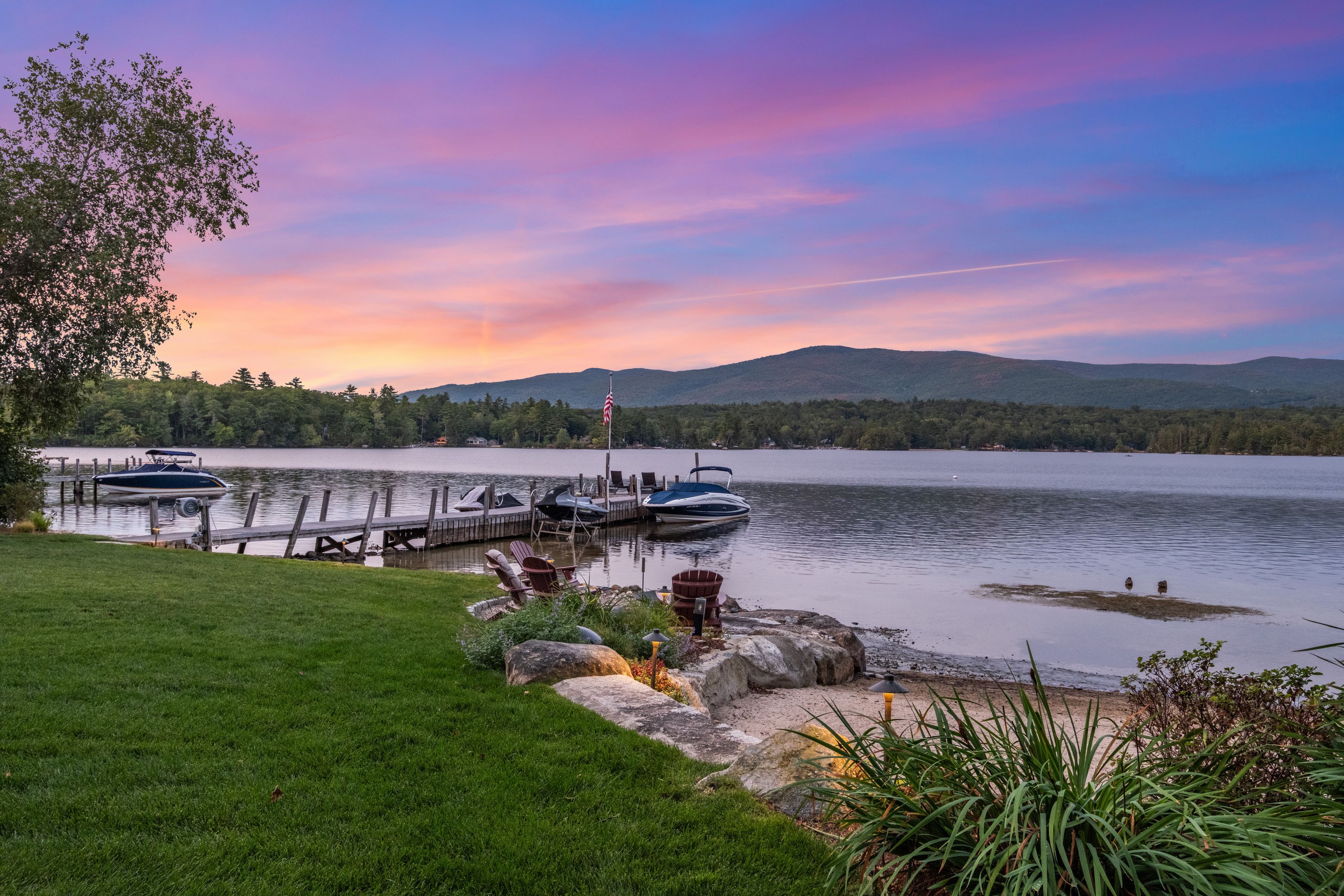
Dock maintenance represents another learning curve entirely. "A lot of people don't understand what goes into dock maintenance," Brie notes. Seasonal docks must be cranked up or removed completely before winter. Permanent docks require bubblers, devices that keep water moving around dock structures so ice doesn't form and cause damage. Many buyers have never heard the term bubbler before their first lakefront purchase.
Then maintenance represents another learning curve entirely. "A lot of people don't understand what goes into dock maintenance," Brie notes. Seasonal docks must be cranked up or removed completely before winter. Permanent docks require bubblers, devices that keep water moving around dock structures so ice doesn't form and cause damage. Many buyers have never heard the term bubbler before their first lakefront purchase.
en there are the lake-specific regulations that vary by waterbody. Some lakes allow motorboats. Others restrict them. Each lake has its own character and rules, and understanding these distinctions before buying prevents disappointment later.
Environmental factors that real estate photos never capture
Prevailing winds matter more than most buyers realize. A property might photograph beautifully on a calm day, but if it sits in a location that catches constant wind, the experience of using that waterfront changes dramatically. The same applies to sun exposure. Some coves get morning light but lose the sun by early afternoon. Others stay sunny all day.
Lake Life Realty specializes in luxury waterfront properties on Lake Winnipesaukee and throughout the NH Lakes Region. That specialization means understanding these micro-environmental factors that don't show up in listing descriptions.
Brie recalls one buyer who took his investigation further than most. "He swam out to the swim raft during a showing, dove down about ten plus feet, and pulled up the bottom of the lake with his hands. He wanted to see what it was. Was it sand? Was it rocky? Was it mushy? Was it algae?"
That level of due diligence was a first for Brie, but it illustrated an important point. Serious lakefront buyers care about details that never matter with traditional properties.
Why local expertise accelerates the learning curve
First-time waterfront buyers face a steeper learning curve than they anticipate. Without guidance, they might spend years figuring out what experienced lakefront owners already know. They might make expensive mistakes with dock installations, shoreline modifications, or property improvements that violate local regulations.

"That's why they work with us," Brie says. "We help them become seasoned very quickly without overwhelming them."
Brie Stephens was named to NAR's 30 Under 30 and has closed over $128 million in lakefront property sales. That volume comes from understanding both the lifestyle and the logistics. She knows which properties work for wake surfing enthusiasts versus fishing families. She understands seasonal market dynamics and can explain why certain coves command premium prices.
The best lakefront transactions happen when buyers enter the process educated. They understand what questions to ask. They know which property features align with their actual usage patterns, not just their dreams. They grasp the maintenance realities before closing day.
Waterfront living delivers rewards that traditional properties cannot match. But those rewards come with responsibilities and complexities that surprise first-time buyers. Working with agents who live the lake life themselves means accessing knowledge that turns overwhelming complexity into confident ownership.
Frequently Asked Questions
What permits do I need to modify my lakefront property in the Lakes Region?
Shoreline modifications typically require permits from the NH Department of Environmental Services. What you can do depends on your specific location, the extent of work, and existing structures. Tree removal, dock installation, and shoreline stabilization all have different requirements. Working with local experts who understand the permitting process helps you plan projects that comply with regulations and avoid costly violations.
How do I choose between seasonal and permanent dock systems?
Seasonal docks must be removed or cranked up before winter, requiring fall and spring labor but lower initial costs. Permanent docks stay in year-round but require bubblers to prevent ice damage and typically cost more upfront. Your choice depends on your budget, how much maintenance you want to handle, and your property's exposure to ice movement. Many buyers underestimate the ongoing effort seasonal docks require.
Why do some Lake Winnipesaukee properties cost significantly more than others with similar square footage?
Location factors that don't show in photos drive substantial price differences. Prevailing winds, sun exposure throughout the day, water depth at the shoreline, bottom composition, views of the mountains versus other properties, and proximity to main lake versus quiet coves all affect value. Properties in high-traffic boat areas versus protected locations appeal to different buyers. Understanding these nuances requires local knowledge of specific coves and shoreline characteristics.


